

Loads of Trouble: Barry Students Complain of Machines Burning and Staining Clothes on Campus
By Crisbely Welsh
Laundry day is leaving some Barry University students with more than just clean clothes. Following reports of stained and damaged clothing, university officials announced plans to replace all campus washers and dryers over winter break.
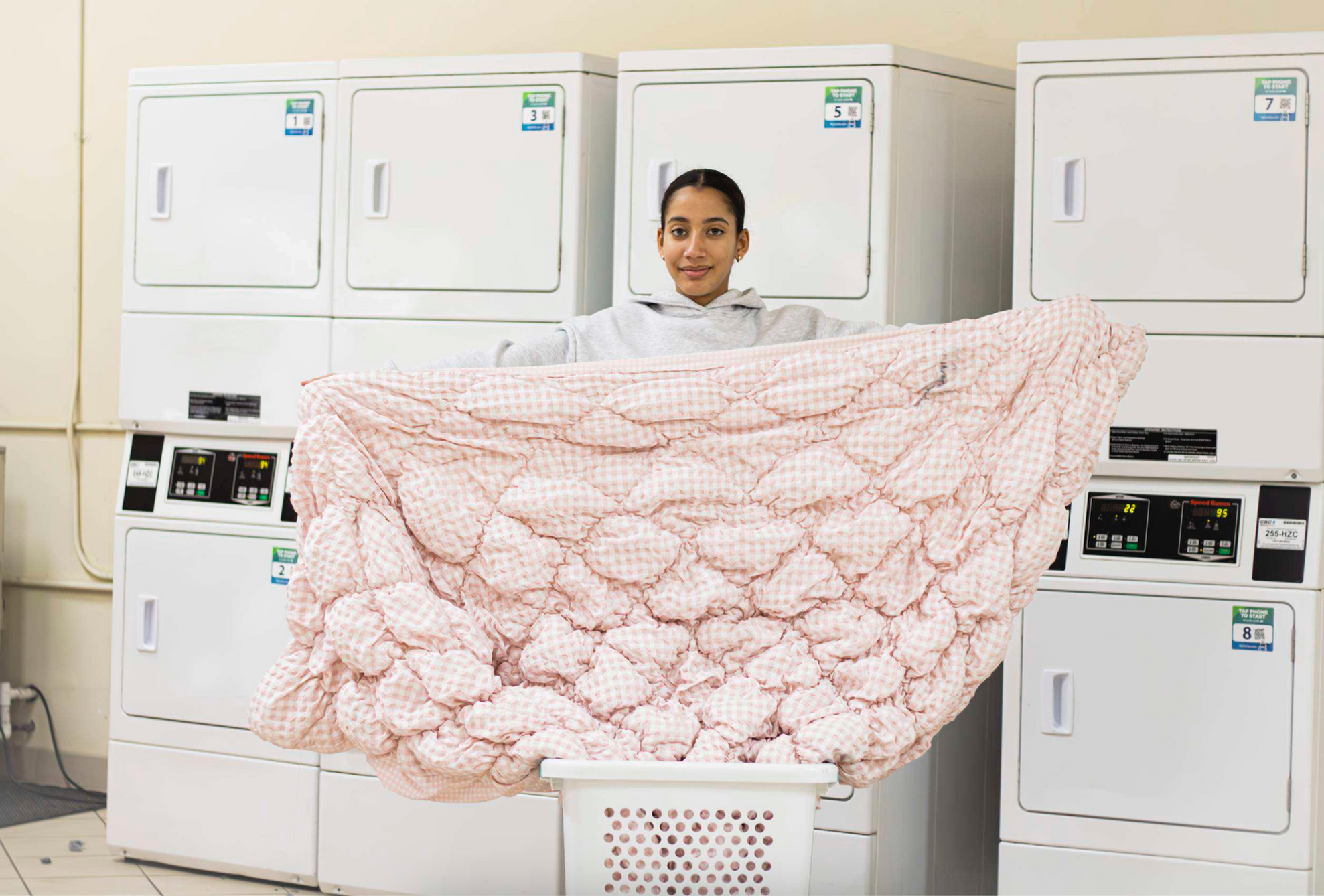
Have you gone to remove your clothes from the laundry machines at Barry University and noticed any stains or burns? It's very likely that it wasn't an issue on your end. Even when students follow best practices such as sorting by color, checking pockets and using recommended settings, their clothes are still being damaged, forcing them to replace items.
Nayra Aguilar, a first-year Biology major, reported having her clothes stained after using the washing machines. She claimed that she washed her pink bedding without any other clothes and does not see what she could have done differently to avoid that.
For many students, that means spending money they simply did not plan on spending. Unfortunately, this isn't limited to one residence hall. Several residence halls have had some sort of damage reported, and the complaints continue to come in from students across campus.
PHOTO COURTESY OF SIERRA JOHNSON
The laundry machines are regularly maintained, with preventive maintenance performed once per year before classes begin, according to campus officials. However, some machines are over 19 years old. Like with any aging equipment, machines tend to wear down in ways that a yearly check-up cannot always catch. Based on a rise in student complaints, it can be said that the laundry machines are nearing the end of their lives.
Barry University Associate Vice President and Dean of Students Matthew Cameron responded to The Buccaneer about student concerns.
"To address the concerns students have raised, Housing and Residence Life renegotiated its contract with our laundry provider. Under the new agreement, we will replace every washer and dryer on campus with new, updated machines over the winter break," he said.
This is great news for students returning next semester.
Still, according to professional maintenance workers, the reason for the damage to garments may stem from how the buildings were designed. The dryers share ventilation ducts instead of having independent vents that lead outside. A shared duct gives hot, moist air fewer places to go, especially when two dryers run at the same time. Heat that should leave the building stays trapped running between the dryers.
Clothes inside can be exposed to temperatures higher than the cycle was meant to produce. That trapped heat is the likely reason for certain fabrics, especially plastic-based fabrics like polyester, scorching or burning.
Since this may be an issue with the building, it is not an easy fix and likely requires a review of the school’s construction plan. Even brand-new machines may not fully solve the problem if the ventilation system behind them stays exactly the same.
Ironically, many students blamed themselves for the damaged clothes and never reported it. This silence likely made the problem seem smaller than it truly was.
Faiyaz Nirob, a fourth-year chemistry student, was one of those students.
"I thought my clothes burned because of my own wrongdoing, so I didn't report it to anyone."
On the other hand, Cameron also stated that wear and tear findings have been reported by technicians.
"Our vendor also shares what its technicians find when they service the equipment. Overloading, using detergents not approved for the machines, and washing bulky items like pet beds all increase how often a machine needs repair,” he said. “Following the posted instructions helps keep the machines working for everyone."
So, how can you avoid burnt clothes? Here are a few precautions: 1) Remove lint from the dryers after you use them and check to make sure the lint traps are clean before putting your clothes in. A clogged lint trap makes a dryer work harder and run hotter, which only adds to the risk. 2) Run the machines at a lower temperature or avoid running dryers that share vents at the same time. It may take a little longer for clothes to dry on a lower setting, but it is a small price compared to losing a favorite shirt.
These are not all practical solutions, especially when students already have to organize their days around sitting in laundry rooms to claim a busy washer or dryer for themselves. This is why it is important to set timers to make sure your clothes aren't sitting in washers or dryers when other students might be waiting to use them.
None of these precautions fix the ventilation problem, but they may reduce the risk while the issue remains unresolved.
That leaves an open question: What should a student do when your clothes have been damaged by a Barry University machine?
Cameron concluded that “any student who believes a machine damaged their clothing should report it to Housing and Residence Life with the building, the machine, and the date, so [they] can document it and follow up with the vendor."
With new machines on the way over winter break, there is good reason for students to feel hopeful about what's ahead. Working together, students and staff can make laundry day a little easier for everyone on campus.


Comments